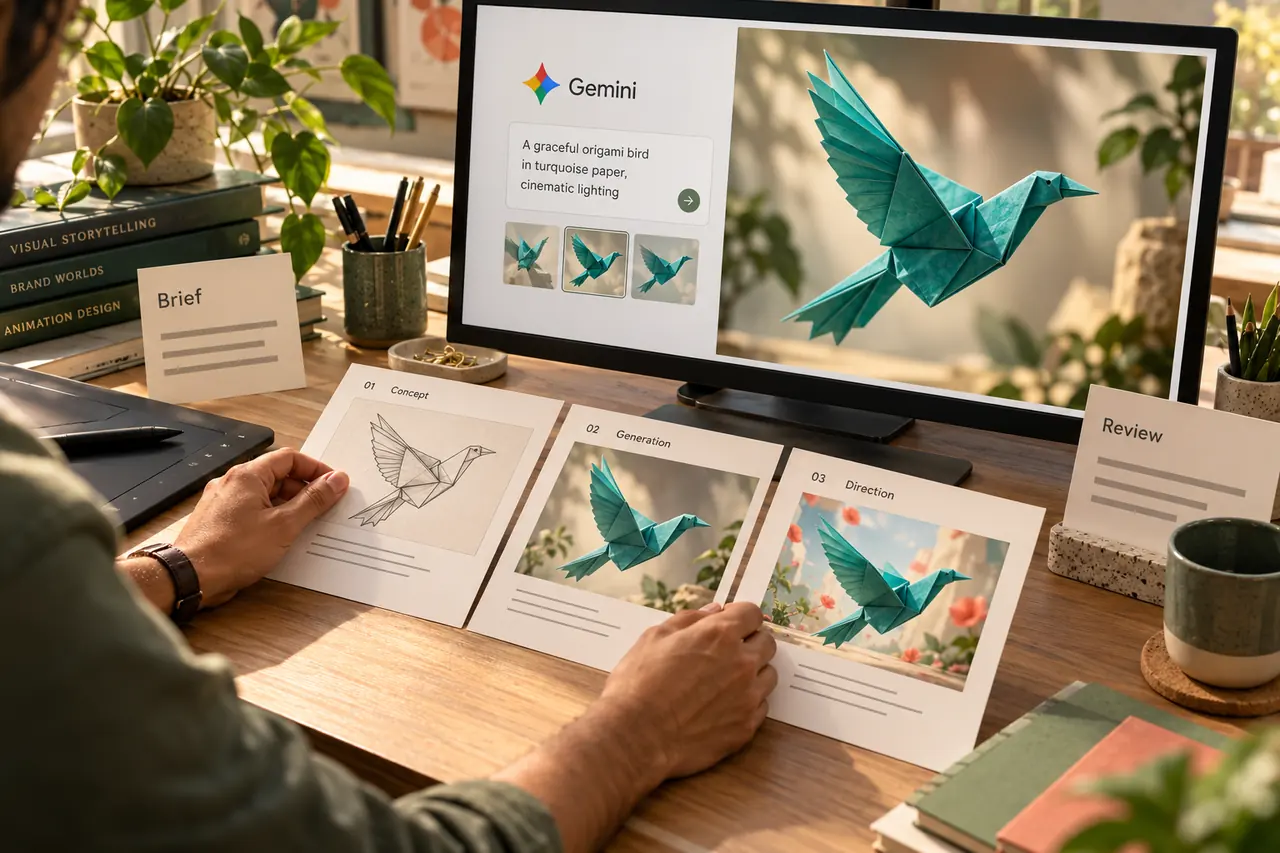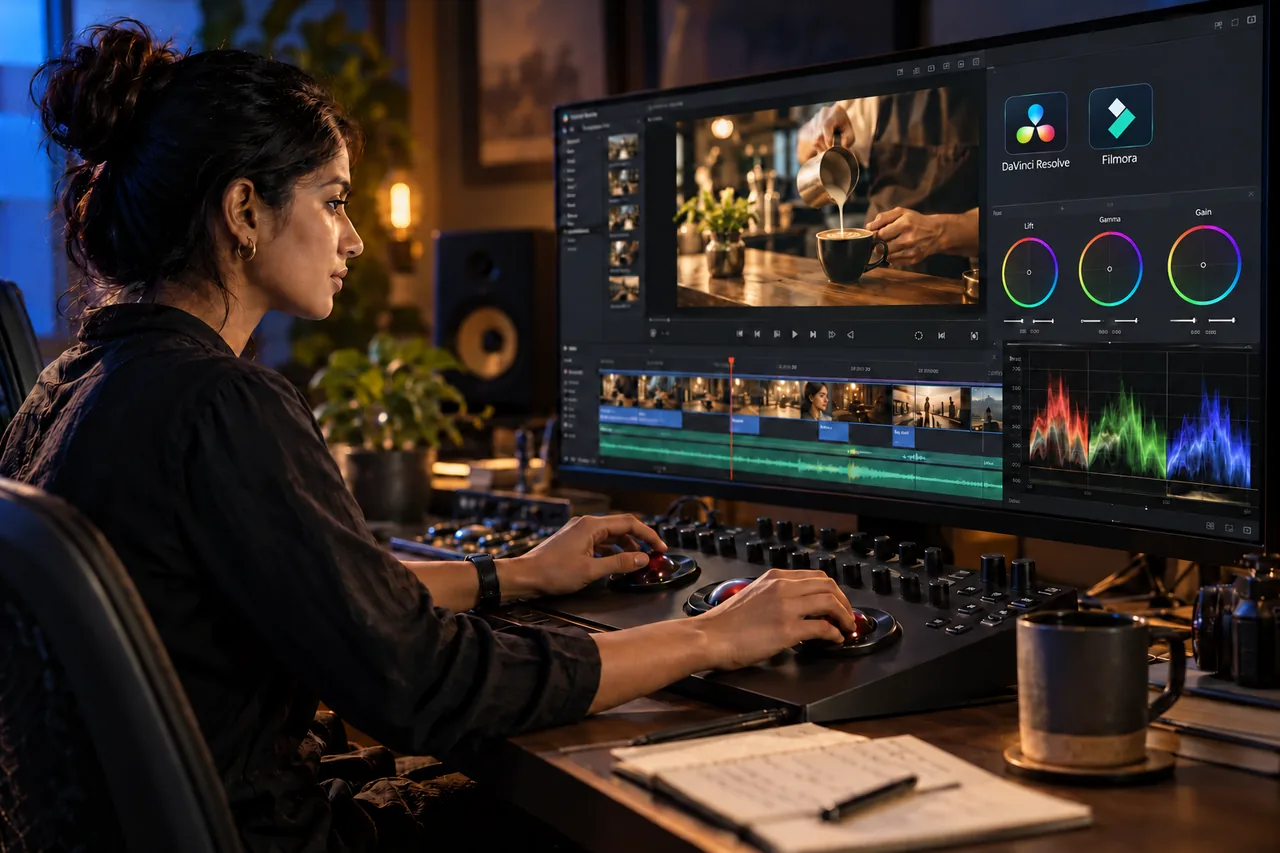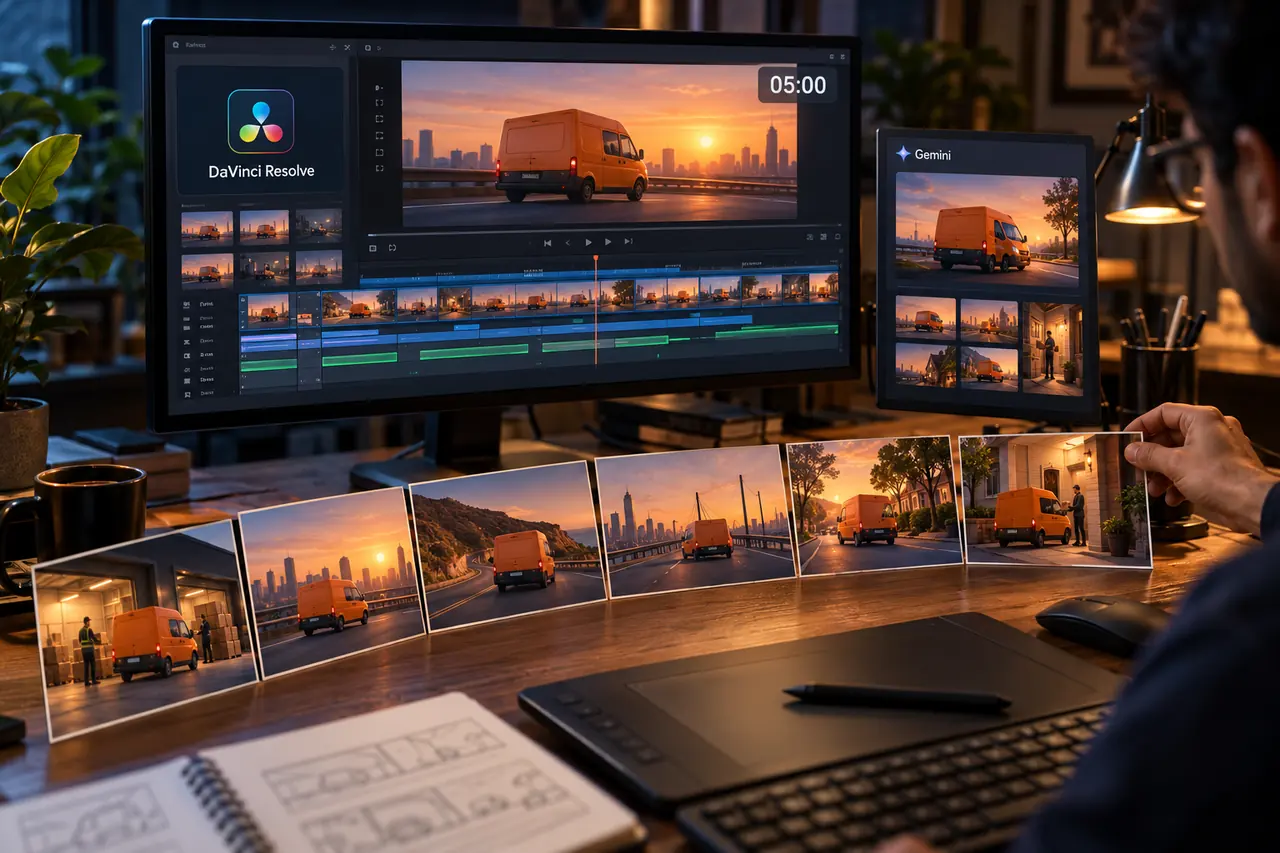





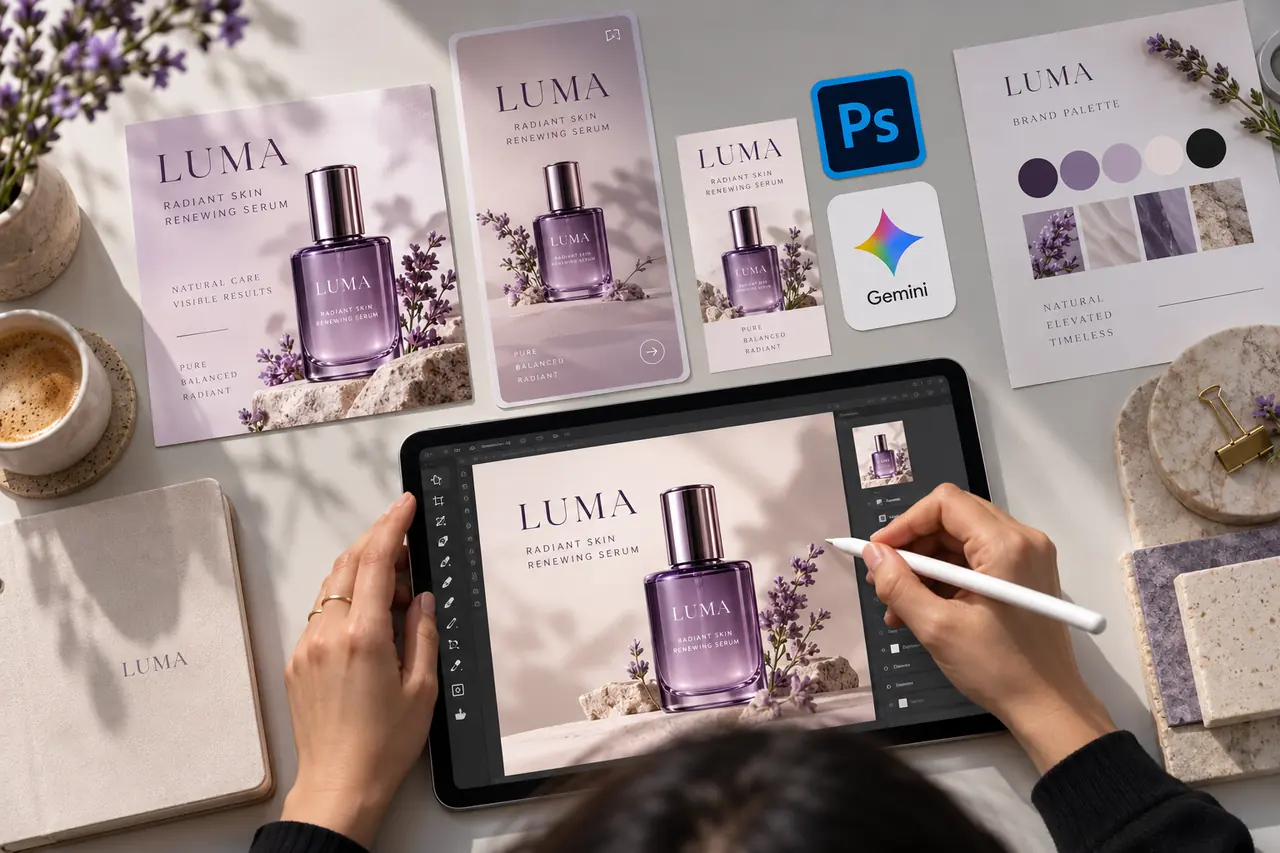
AI can generate striking graphics from a short description. For a business owner, that creates a fair question: why hire a designer when the team can generate images itself? The answer depends on what the business needs to publish. A single decorative visual can be simple. A campaign that customers recognise, understand and use across several formats needs a wider set of decisions.
What is the difference between an image and a campaign asset?
An image provides visual material. A campaign asset combines that material with a message, a brand identity and a particular use. It may need to explain an offer, show the exact product, leave room for a price or help someone find the next action.
AI can contribute to all of these tasks, and sometimes a generated design will meet the brief with minimal changes. The designer's value is in defining the requirements, selecting an effective approach and resolving the gaps that remain.
Assess the result in context: can someone understand the message on a phone, recognise the business and find accurate information? An attractive full-size preview does not answer those questions by itself.
Brand consistency makes repeated communication recognisable
A campaign usually contains more than one post. Customers may see a product card, a story, an advert and a landing page before contacting the business. Consistent colours, image treatment, typography and tone help those encounters feel connected.
A designer can turn the brand's existing assets into practical rules for the campaign. These rules guide both generated visuals and manually arranged elements. They also make future production easier because the team has a reference for decisions instead of starting from a new style each time.
Consistency should allow variation. A product explanation and a seasonal announcement can have different compositions while keeping a recognisable relationship. The purpose is a clear business identity, rather than identical-looking posts.
Typography and layout organise the message
Design determines what the viewer notices first, what they read next and how they understand the relationship between details. A headline, product benefit, supporting proof and action cannot all carry the same visual weight.
Typography choices include size, spacing, line breaks and contrast. Layout choices include the crop, alignment and amount of information shown. These decisions become especially important when an image is reduced to a small feed preview.
Keep important text editable where practical. It makes corrections and adaptations easier than regenerating an entire scene each time the wording changes. A designer can combine a useful AI-generated background with controlled text, logos and product assets to achieve the required result.
Real product details need deliberate control
Generated visuals should be checked when the business sells a particular physical item. A changed label, extra feature or different material can create the wrong expectation. Use approved product photographs and verified specifications wherever accuracy is essential.
Photoshop's Generative Fill documentation describes selecting an area, generating alternatives and choosing a variation. That kind of targeted workflow can help develop a scene while retaining control over the wider composition.
The producer still needs to judge the result against the product and the brief. For some projects, conventional retouching or a real photograph will be the more practical choice. Tool selection should follow the requirement for accuracy and control.
An illustrative skincare-campaign example
Imagine a skincare business preparing a campaign for a purple bottle. This is an illustrative example, not a reported commercial result. An AI-generated concept creates a sophisticated setting, but the bottle's label is inaccurate and the promotional wording is difficult to read on a phone.
A designer can retain the useful visual direction, place the approved product photograph into the composition and build the wording as editable text. The square social post can emphasise the main benefit, while the vertical story gives the product and action appropriate space.
The design is then checked against the actual offer. It should not introduce an unapproved benefit merely because the generated copy sounds persuasive. The finished assets serve one clear campaign rather than presenting several unrelated visual styles.
Different formats require composition decisions
Resizing changes the available space and the way an audience encounters the message. A wide website banner may allow room beside the product. A mobile story may need a stacked layout. A small advert may require less wording and a simpler image.
Cropping alone can remove a product feature or leave the action outside the visible area. Review each requested format at a realistic viewing size. Check the main message, logo, product and any information the customer needs to decide what to do next.
Agree the output formats before work starts. That helps the designer choose source material with enough flexibility and avoids discovering late that the approved composition cannot support an important version.
How can a business decide what to do internally?
Internal production can work well for repeatable updates using an established template and approved assets. A team member with a clear brand reference may be able to create those assets efficiently with AI assistance.
Professional design becomes useful when the business needs a new direction, coordinated campaign assets, accurate product treatment or a reusable system that several people will maintain. Ask what the handover contains: exported images, editable files, templates and usage notes are different deliverables.
Review a proposal by its scope and suitability. A designer does not need to avoid AI to add value, and a business should not commission unnecessary complexity for a simple task.
Digital Country's recommendation
Choose one real campaign brief and review the complete set of assets together. Compare their readability, product accuracy and brand consistency before deciding whether the current internal workflow is sufficient.
Our logo and graphic design services support brand and campaign work, while social media post design can help build consistent publishing assets. Share the actual product images, approved copy and intended formats so the design scope reflects your requirements.
Use AI where it improves exploration or production. Keep a clear approval process for the business details that must remain correct.
Frequently asked questions
Can AI replace a designer for simple graphics?
It can cover some straightforward tasks, especially with a suitable template and clear requirements. Check the output in its real publishing context before deciding that no further work is needed.
Is an AI-generated image automatically a brand identity?
No. A brand identity involves consistent decisions across the business's communication. An image can contribute to it, but the wider system and its application still need to be defined.
Why should product photos remain available if AI is used?
Approved photographs provide a reference for the actual item. They can also be used directly when a generated version changes details that matter to the customer.
What should I provide to a graphic designer?
Provide the logo, brand guidance, approved product assets, campaign objective and verified wording. Include the required formats and identify who will approve the final content and design.
Build a campaign your customers can recognise.
Bring your logo, product assets and campaign objective so we can define the design direction and the formats your team needs.
Discuss your brand graphics